Tungsten Alloy Rod in Wind Power Counterweight
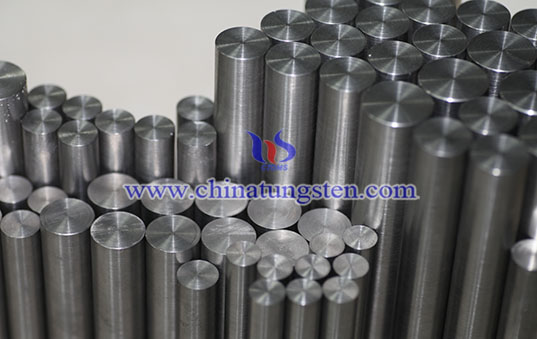
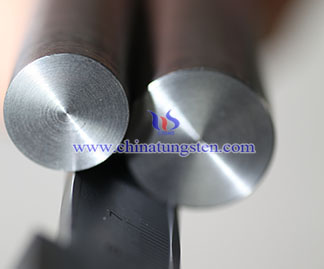
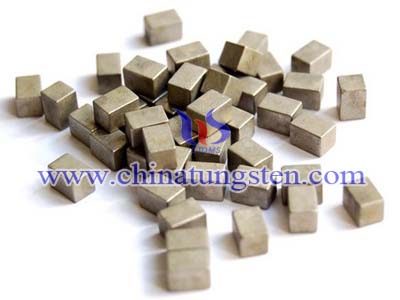
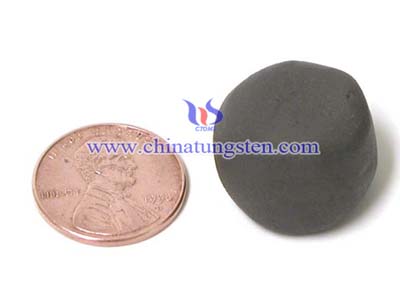
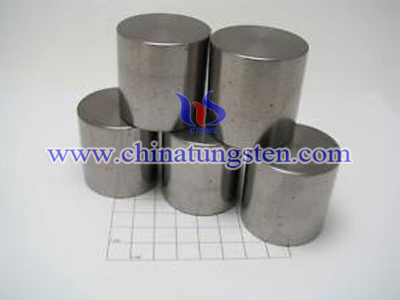
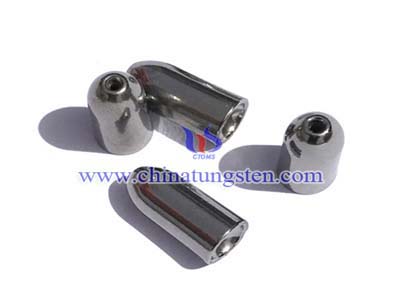
Tungsten alloy rod is high density tungsten alloy rod used for mass balancing and vibration control in wind power equipment. Manufactured through powder metallurgy, CTIA’s tungsten alloy rod combines high density, high strength, and dimensional stability to enable precise weight adjustment within limited installation spaces. CTIA’s tungsten alloy counterweight is suitable for balancing key wind turbine components, including blades, hubs, nacelles, and towers, improving rotational balance and operational stability. Featuring excellent vibration resistance, low coefficient of thermal expansion, and good environmental adaptability, CTIA’s tungsten alloy rod serves as a reliable lead-free alternative to traditional lead counterweight materials and is widely used in onshore wind turbines, offshore wind turbines, and large-scale wind power equipment.
1. Characteristics of CTIA’s Tungsten Alloy Rod in Wind Power Counterweight
(1) High Density for Space Optimization
Density of 16.5–18.8 g/cm³ enables precise mass adjustment within limited spaces such as blade roots, hubs, and nacelles, reducing component size and improving wind turbine balance.
(2) High Strength and Fatigue Resistance
Tensile strength of up to 700–1400 MPa provides excellent impact resistance and fatigue resistance, allowing long-term operation under turbine rotation, vibration, pitch loads, and complex wind conditions.
(3) Dimensional Stability
Low coefficient of thermal expansion maintains stable dimensions under day-night temperature variations, temperature fluctuations, and offshore salt spray environments, ensuring consistent balancing performance.
(4) Environmental Adaptability
Lead-free and non-toxic characteristics, combined with good corrosion resistance, enable reliable long-term service in both onshore and offshore wind power environments.
2. Applications of CTIA’s Tungsten Alloy Rod in Wind Power Counterweight
(1) Blade and Hub Balancing Components
Used in blade root balancing weights and hub balancing components of large wind turbines to adjust mass distribution, reduce rotational imbalance, and improve operational stability.
(2) Nacelle and Generator Components
Used in nacelle balancing components, generator rotors, and main shaft balancing parts to optimize overall center of gravity and reduce vibration and mechanical losses.
(3) Tower and Foundation Balancing Components
Used in internal tower structures and foundation balancing components to improve overall wind turbine stability, especially for high towers and flexible tower designs.
(4) Offshore Wind Power Equipment
Used in offshore wind turbines where high density and corrosion resistance are required under salt spray, humid environments, and space-limited conditions.
(5) Wind Power Equipment Maintenance and Modification
Used for balancing component replacement and customized machining during wind turbine maintenance and upgrades to restore or optimize equipment performance.
3. Specifications of CTIA’s Tungsten Alloy Rod in Wind Power Counterweight
(1) Tungsten Content: 90%–97%
(2) Density: 16.5–18.8 g/cm³
(3) Dimensions: Diameter 5–100 mm, length 50–500 mm, customizable
(4) Surface Conditions: Ground, polished, etc.
CTIA GROUP has specialized in tungsten alloy manufacturing for nearly 30 years and provides tungsten alloy rods in various grades, dimensions, and processing conditions. Available grades include 90WNiFe, 92.5WNiFe, 95WNiFe, 97WNiFe, 90WNiCu, 92.5WNiCu, 95WNiCu, 92.5WNiFeMo, and 93WNiFeMo. With stable material properties, high-density performance, and precision machining capabilities, CTIA’s tungsten alloy rods meet balancing requirements for wind turbine blades, hubs, main shafts, and generator rotating components.
For any inquiry, please contact tungsten alloy manufacturer: CTIA GROUP
Email: sales@chinatungsten.com
Tel: 0086 592 5129696 / 0086 592 5129595
Website: tungsten-alloy.com
WeChat:

Related Products: