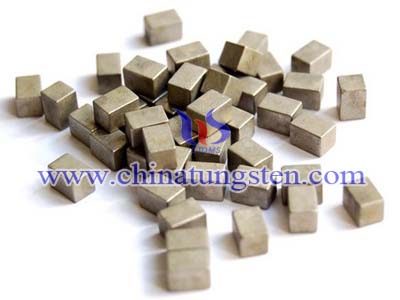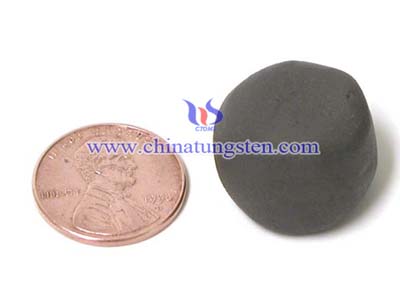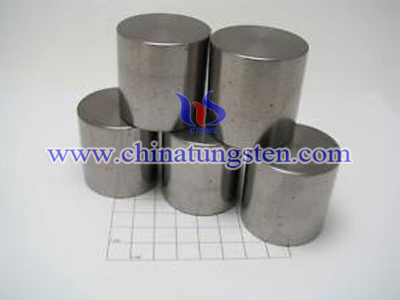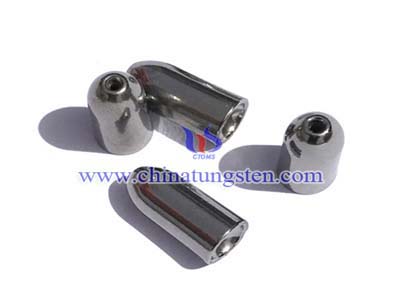
Tungsten Alloy Damping Rod
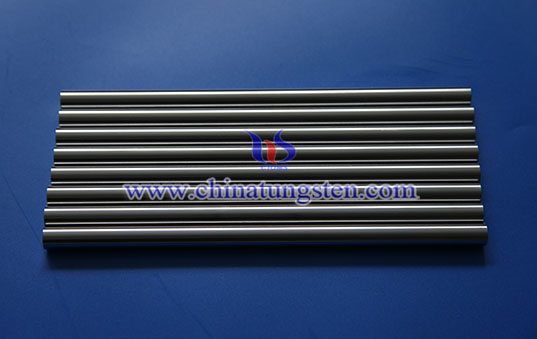
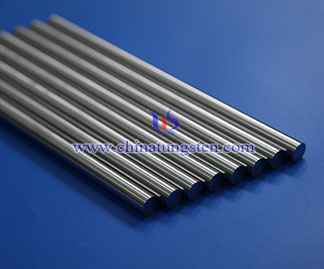
1. What's Tungsten Alloy Damping Rod?
Tungsten alloy damping rod is high-density inertial damping component manufactured from tungsten alloy, consisting mainly of tungsten (W) phase with different binder systems such as nickel (Ni)-iron (Fe), nickel (Ni)-copper (Cu), or nickel (Ni)-iron (Fe)-molybdenum (Mo). CTIA’s tungsten alloy damping rod typically has a density of 17.0–18.8 g/cm³ and provides high inertial mass within limited space. Tungsten alloy rod reduces vibration response through inertial effects while featuring high strength, dimensional stability, and good machinability for vibration control systems and precision equipment damping structures.
2. Characteristics of CTIA’s Tungsten Alloy Damping Rod
(1) High Density and Inertial Mass Capability
A density of 17.0–18.8 g/cm³ provides high inertial mass within limited space and enhances vibration suppression performance.
(2) Good Strength and Fatigue Resistance
A tensile strength of 700–1000 MPa provides good load-bearing capability and impact resistance for long-term vibration environments.
(3) High Dimensional Stability
A coefficient of thermal expansion of approximately 5.0–6.5 × 10⁻⁶/K maintains stable dimensions under temperature variations.
(4) Good Machinability
Higher machinability than pure tungsten materials enables precision processes such as turning, grinding, and drilling to meet different structural installation requirements.
(5) Uniform and Stable Microstructure
Good density consistency ensures stable inertial mass performance in damping systems.
3. Applications of CTIA’s Tungsten Alloy Damping Rod
CTIA’s tungsten alloy damping rod features high inertial mass capability, stable mechanical properties, and good machinability, and is mainly used in vibration control and inertial damping components:
(1) Mechanical Manufacturing and Precision Equipment Damping
Used for CNC machine tool vibration damping components, anti-vibration boring bars, and inertial damping components in precision processing equipment to improve machining stability and operating accuracy.
(2) Structural Vibration Damping
Used for Tuned Mass Damper (TMD) systems, wind-induced vibration control systems for high-rise buildings, and large structural vibration control components to reduce vibration response.
(3) Rail Transit Vibration Damping
Used for high-speed rail and rail vehicle vibration damping components and inertial control components to improve operating stability and passenger comfort.
(4) Engineering Equipment Vibration Control
Used for inertial damping components in ships, construction machinery, power equipment, and heavy-duty equipment under long-term vibration conditions.
(5) Precision Instrument and Electronic Equipment Stability Components
Used for inertial stabilization components in optical instruments, measuring equipment, semiconductor equipment, and other high-precision systems.
4. Specifications of CTIA’s Tungsten Alloy Damping Rod
(1) Tungsten Content: 90%–97%
(2) Density: 17.0–18.8 g/cm³
(3) Dimensions: Diameter 3–100 mm, length 100–1000 mm, customizable
(4) Surface Conditions: Ground, polished, and other finishes available
CTIA GROUP has specialized in tungsten alloy manufacturing for nearly 30 years and supplies tungsten alloy rods in W-Ni-Fe, W-Ni-Cu, and W-Ni-Fe-Mo series with precision machining capabilities. CTIA provides customized dimensions, surface conditions, and processing solutions for different vibration control requirements, while strict control of material properties, density consistency, and machining accuracy ensures reliable performance in building vibration damping, mechanical equipment, rail transit, precision instruments, and high-end equipment applications.
For any inquiry, please contact tungsten alloy manufacturer: CTIA GROUP
Email: sales@chinatungsten.com
Tel: 0086 592 5129696 / 0086 592 5129595
Website: tungsten-alloy.com
WeChat:

Related Products: