Tungsten Alloy Rod in Rocket Engine Component
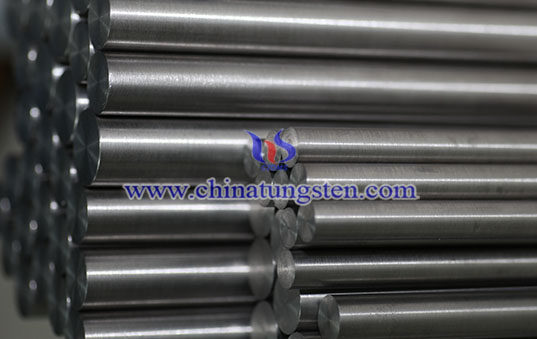
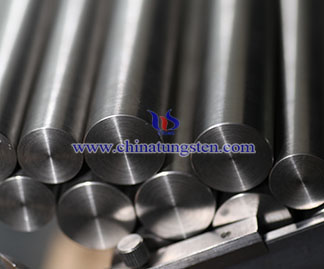
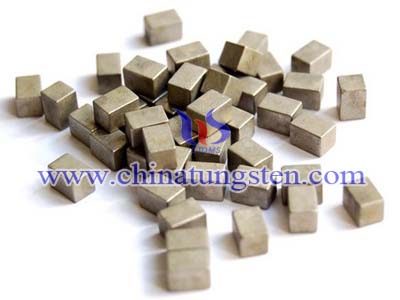
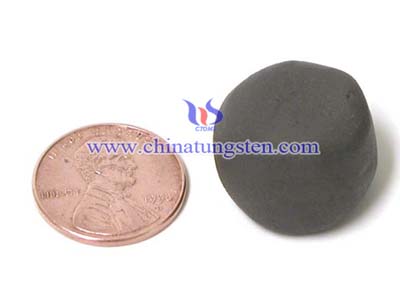
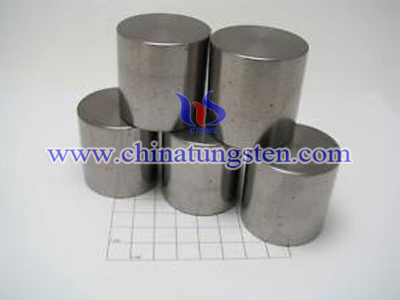
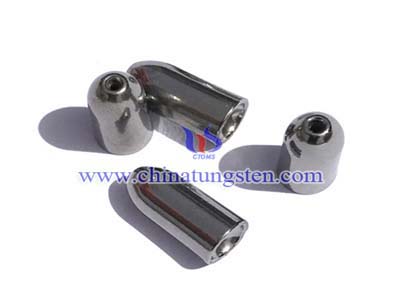
Tungsten alloy rod in rocket engine component is tungsten heavy alloy rod with tungsten (W) as the main matrix and nickel (Ni), iron (Fe), or copper (Cu) as alloying elements forming the binder phase structure. CTIA’s tungsten alloy rod features high density, high strength, good dimensional stability, and precision machining capability, meeting the material requirements of rocket engine components for compact structures, precise weight adjustment, and long-term reliable operation. It is mainly used in counterweights, balance components, vibration damping parts, and precision mechanical structures.
1. Characteristics of CTIA’s Tungsten Alloy Rod in Rocket Engine Component
Rocket engine components require strict control of material weight, mechanical stability, and machining accuracy. CTIA’s tungsten alloy rod features the following characteristics:
(1) Density
Density of 16.5–18.8 g/cm³ provides high mass within limited spaces, making it suitable for compact counterweights and balance components.
(2) Mechanical Strength
High mechanical strength withstands vibration, impact, and load variations during rocket flight and engine operation, maintaining structural stability.
(3) Dimensional Stability
Low coefficient of thermal expansion and good dimensional stability reduce deformation under long-term operation and temperature variations.
(4) Machinability
Compared with pure tungsten, improved toughness and machining performance enable precision structural components to be manufactured through turning, milling, grinding, and other conventional processes.
(5) Low Magnetic Permeability
W-Ni-Cu series tungsten alloy rods feature low magnetic permeability and are suitable for aerospace equipment components sensitive to magnetic environments.
2. Applications of CTIA’s Tungsten Alloy Rod in Rocket Engine Component
(1) Engine Counterweight Components
Used to manufacture balance counterweights and inertia adjustment components, achieving precise mass distribution within limited spaces and improving system stability.
(2) Vibration Control Components
Used for vibration-damping counterweights and inertial components, reducing vibration effects through high density and improving equipment reliability.
(3) Precision Support and Positioning Components
Used to manufacture support parts, positioning components, and connectors, meeting assembly accuracy and structural stability requirements of engine systems.
(4) Aerospace Propulsion System Precision Structures
Used for adjustment parts, fixing components, and other high-reliability structural components to meet long-term operating requirements.
3. Specifications of CTIA’s Tungsten Alloy Rod in Rocket Engine Component
(1) Grades: W-Ni-Fe and W-Ni-Cu series with various tungsten content grades available
(2) Tungsten Content: 90%–97%
(3) Density: 16.5–18.8 g/cm³
(4) Dimensions: Diameter 3–50 mm, length 100–1000 mm, customizable
(5) Surface Conditions: Ground, precision ground, polished, and others
CTIA GROUP has extensive experience in tungsten alloy manufacturing with nearly 30 years of expertise in powder metallurgy, and precision machining. By optimizing material composition, microstructure, and dimensional accuracy, CTIA produces W-Ni-Fe and W-Ni-Cu series tungsten alloy rods, including 90WNiFe, 90WNiCu, 92.5WNiFe, 92.5WNiCu, 92.5WNiFeMo, 93WNiFeMo, 95WNiFe, 95WNiCu, and 97WNiFe grades, with tailored material solutions available for different aerospace component designs, operating conditions, and performance requirements.
For any inquiry, please contact tungsten alloy manufacturer: CTIA GROUP
Email: sales@chinatungsten.com
Tel: 0086 592 5129696 / 0086 592 5129595
Website: tungsten-alloy.com
WeChat:

Related Products: