Tungsten Alloy Rod in Gyroscope Counterweight
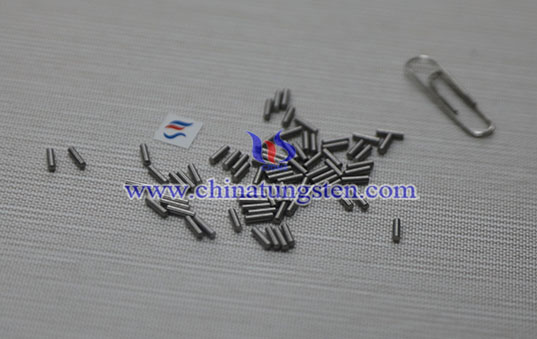
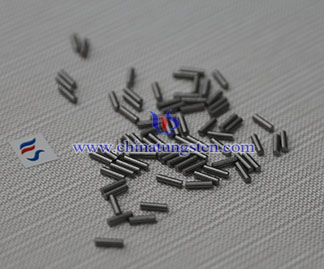
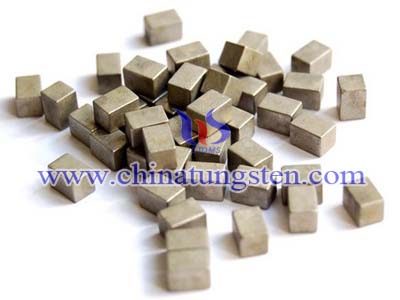
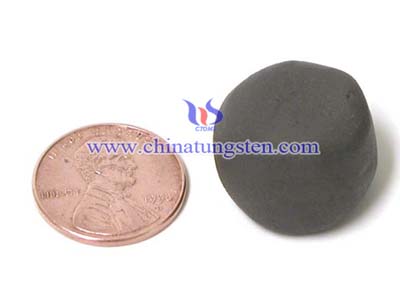
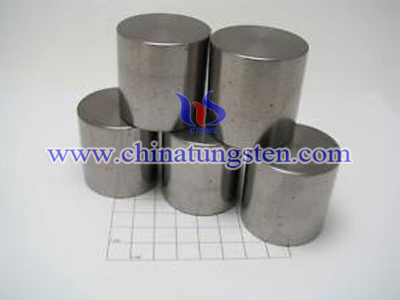
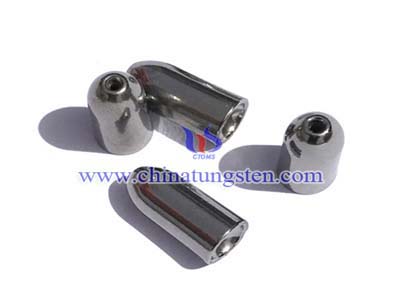
Tungsten alloy rod refers to high density tungsten alloy rod designed for gyroscope counterweight in precision inertial navigation and attitude control systems. Manufactured via powder metallurgy processes, its density reaches 16.5-18.8 g/cm³, delivering precise mass adjustment within limited space to effectively meet exact weighting and dynamic balancing requirements for gyroscope rotors, gimbals, and sensitive components. CTIA's tungsten alloy rod features high density, high strength, low coefficient of thermal expansion, and excellent dimensional stability. Serving as an eco-friendly alternative to traditional lead balance weights, it is widely used in counterweight systems for aviation, aerospace, marine, missile, and high-precision industrial gyroscopes.
1. Characteristics of CTIA’s Tungsten Alloy Rod in Gyroscope Counterweight
(1) High Density for Compact Gyroscope Design
A density of 16.5–18.8 g/cm³ enables high mass concentration within limited installation space, supporting compact counterweight structures for gyroscope systems.
(2) High Mass Accuracy for Precision Control
Uniform material density and dimensional stability enable precise machining and accurate mass adjustment, improving gyroscope operating accuracy.
(3) Low Thermal Expansion and High Dimensional Stability
Low coefficient of thermal expansion maintains stable dimensions under temperature variations, reducing the influence of mass distribution changes on system performance.
(4) High Strength and Vibration Resistance
Good strength, toughness, and fatigue resistance withstand rotational motion, vibration, and mechanical loads, ensuring long-term operational stability.
(5) Magnetic Material Selection
W-Ni-Fe magnetic grades and W-Ni-Cu non-magnetic grades are available to meet different magnetic environment requirements of precision equipment.
2. Applications of CTIA’s Tungsten Alloy Rod in Gyroscope Counterweight
(1) Aerospace and Aviation Gyroscopes
Used in rotor counterweights and frame balancing components of aircraft, satellites, and missile inertial navigation systems to improve attitude measurement accuracy and system stability.
(2) Marine and Shipborne Gyroscopes
Used in gyrocompasses and stabilized platforms to maintain high-precision orientation and stable operation under complex marine conditions.
(3) Missile and Guidance Systems
Used in gyroscope sensitive component counterweights of precision guidance equipment to improve dynamic response performance and control accuracy.
(4) Industrial and Civil High-Precision Gyroscopes
Used in robots, autonomous driving systems, surveying instruments, and stabilized platforms to achieve compact design and high-precision mass adjustment.
(5) Research and Testing
Used as temporary or permanent counterweights in gyroscope prototype development, performance testing, and calibration processes.
3. Specifications of CTIA’s Tungsten Alloy Rod in Gyroscope Counterweight
(1) Tungsten Content: 90%–97%
(2) Density: 16.5–18.8 g/cm³
(3) Dimensions: Diameter 0.5–30 mm, length 5–200 mm, customizable
(4) Material Types: W-Ni-Fe alloy, W-Ni-Cu alloy
(5) Surface Conditions: Ground, polished, etc.
CTIA GROUP (CTIA) has been deeply engaged in tungsten alloy manufacturing for nearly 30 years and provides tungsten alloy rods in various grades, dimensions, and processing conditions. Available grades include 90WNiFe, 92.5WNiFe, 95WNiFe, 97WNiFe, 90WNiCu, 92.5WNiCu, 95WNiCu, 92.5WNiFeMo, and 93WNiFeMo, with customized machining services available. Featuring uniform microstructure, stable material properties, and precision machining capabilities, CTIA’s tungsten alloy rods meet the performance requirements of gyroscope rotors, inertial measurement units, and precision rotating systems.
For any inquiry, please contact tungsten alloy manufacturer: CTIA GROUP
Email: sales@chinatungsten.com
Tel: 0086 592 5129696 / 0086 592 5129595
Website: tungsten-alloy.com
WeChat:

Related Products: