Tungsten Alloy Rod in Automotive Balance Weight
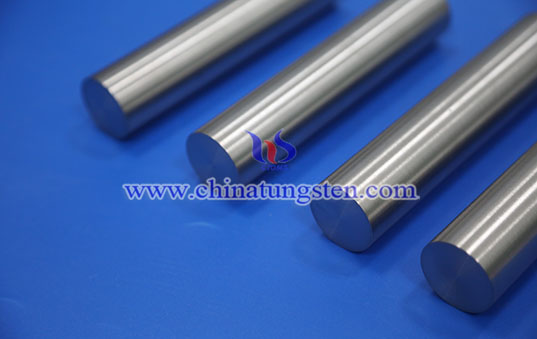
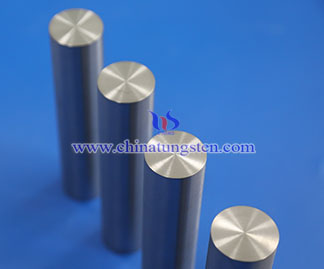
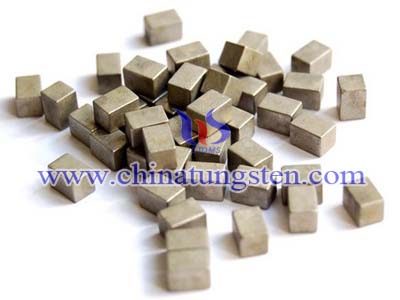
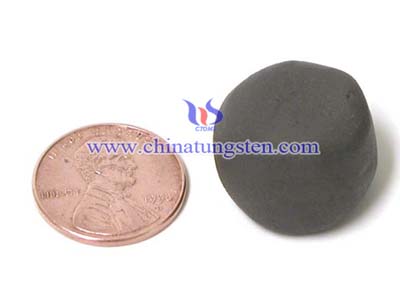
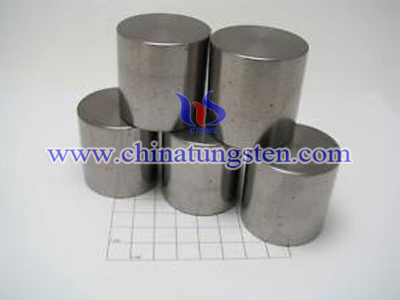
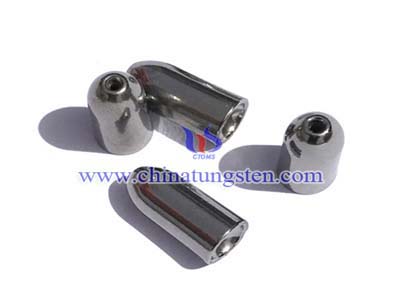
Tungsten alloy rod is high density tungsten alloy rod used in automotive balance weight for automotive power and transmission systems. Manufactured through powder metallurgy, it has a density of 16.5–18.8 g/cm³ and delivers high mass concentration within limited space, effectively meeting the precision balancing and dynamic balance requirements of crankshafts, flywheels, wheels, drive shafts, and other components. CTIA’s tungsten alloy rod features a uniform and dense microstructure, stable and reliable material properties, high strength, excellent vibration resistance, low coefficient of thermal expansion, and optional non-magnetic characteristics. As an environmentally friendly alternative to traditional lead balance materials, tungsten alloy products are widely used in balancing systems of passenger vehicles, commercial vehicles, racing cars, and new energy vehicles.
1. Characteristics of CTIA’s Tungsten Alloy Rod in Automotive Balance Weight
(1) High Density and Compact Design
With a density range of 16.5-18.5 g/cm³, it achieves precise counterweighting within constrained installation spaces, significantly reducing component volume and overall vehicle mass to enhance fuel economy or driving range.
(2) High Strength and Superior Anti-Vibration Performance
Tensile strength reaches 700-1400 MPa with outstanding impact and fatigue resistance, enabling long-term endurance against high-speed engine rotation, road vibration, and alternating mechanical loads.
(3) Low Thermal Expansion and High Thermal Stability
Features a low coefficient of thermal expansion, maintaining precise dimensions under alternating conditions of high engine operating temperatures and cold starts to ensure long-term dynamic balance stability.
(4) Environmental Safety and Corrosion Resistance
Lead-free and non-toxic, fully complying with automotive environmental and safety regulations while offering oil and corrosion resistance for reliable long-term service.
2. Applications of CTIA’s Tungsten Alloy Rod in Automotive Balance Weight
(1) Engine Crankshaft and Flywheel Balance Components
Used for crankshaft balance weights and flywheel counterweights to reduce vibration and noise and improve engine smoothness.
(2) Wheel and Tire Balance Systems
Used for wheel balance weights to maintain dynamic balance during high-speed rotation and improve vehicle handling stability.
(3) Powertrain and Drive Systems
Used for drive shafts, axle shafts, and differential balance components to reduce vibration and optimize vehicle NVH performance.
(4) New Energy Vehicles and Special Vehicles
Used for motor rotor balancing, battery pack structural balancing, and high-performance racing vehicle counterweights.
(5) Automotive Maintenance and Modification
Used for replacement and customized balance weights to restore and optimize vehicle dynamic performance.
3. Specifications of CTIA’s Tungsten Alloy Rod in Automotive Balance Weight
(1) Tungsten Content: 90%–97%
(2) Density: 16.5–18.8 g/cm³
(3) Dimensions: Diameter 5–80 mm, length 20–500 mm, customizable
(4) Material Types: W-Ni-Fe, or W-Ni-Cu alloy
(5) Surface Conditions: Ground, polished, and other conditions available
CTIA GROUP has specialized in tungsten alloy manufacturing for nearly 30 years and supplies tungsten alloy rods in various grades, dimensions, and machining conditions. CTIA offers 90WNiFe, 92.5WNiFe, 95WNiFe, 97WNiFe, 90WNiCu, 92.5WNiCu, 95WNiCu, 92.5WNiFeMo, and 93WNiFeMo tungsten alloy rods with customized dimensions and processing solutions. Relying on high-density material advantages and flexible customization capabilities, CTIA tungsten alloy rod satisfies precise balance weighting needs for automotive power systems, wheel balancing, transmission components, and new energy vehicle rotating parts.
For any inquiry, please contact tungsten alloy manufacturer: CTIA GROUP
Email: sales@chinatungsten.com
Tel: 0086 592 5129696 / 0086 592 5129595
Website: tungsten-alloy.com
WeChat:

Related Products: