Tungsten Alloy Rod in Mold Inserts
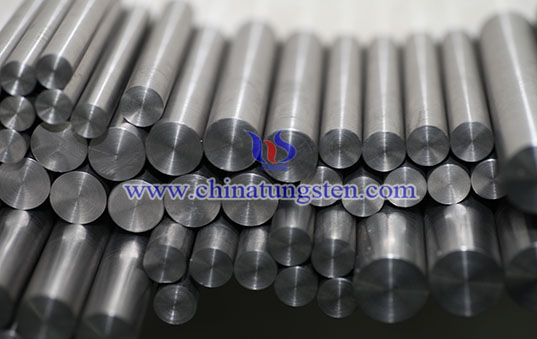
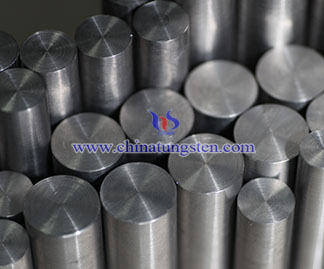
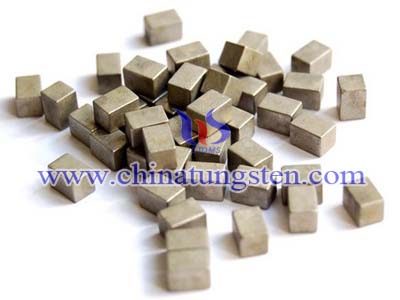
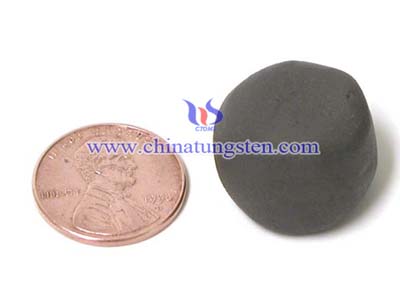
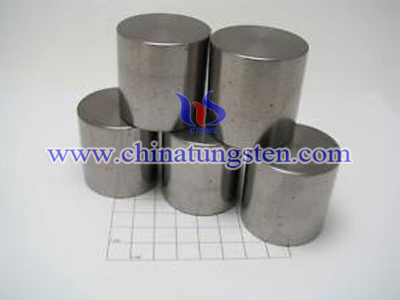
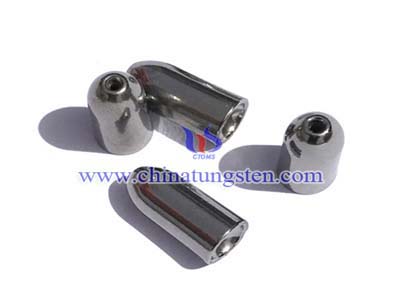
Tungsten alloy rod is tungsten heavy alloy rod used for manufacturing precision mold inserts. Manufactured through powder metallurgy processes, CTIA’s tungsten alloy rod features high strength, excellent wear resistance, and dimensional stability, maintaining reliable performance under injection molding, die casting, stamping, and powder metallurgy mold conditions. CTIA’s tungsten alloy rod can be machined into mold cores, insert blocks, and precision mold components, and is widely used in plastic molds, die-casting molds, stamping molds, powder metallurgy molds, and high-precision forming equipment.
1. Characteristics of CTIA’s Tungsten Alloy Rod in Mold Inserts
(1) High Density and High Strength
Provides high mechanical strength and load-bearing capacity with a density range of 16.5–18.8 g/cm³, meeting the long-term stress and heavy-load operating requirements of mold inserts.
(2) Superior Wear Resistance
Features dense microstructure with excellent wear and impact resistance, reducing mold wear and extending insert service life.
(3) Favorable Dimensional Stability
Maintains consistent dimensions under long-cycle processing and thermal fluctuations due to its low coefficient of thermal expansion, improving mold precision and product repeatability.
(4) Good High-Temperature Performance
Offers high melting point and thermal stability, enabling reliable performance in high-temperature processing environments such as die casting and hot forming.
(5) Precision Machinability
Allows turning, milling, grinding, and Electrical Discharge Machining (EDM) processes to produce intricate inserts, meeting precision mold manufacturing requirements.
2. Applications of CTIA’s Tungsten Alloy Rod in Mold Inserts
(1) Plastic Mold Manufacturing
Used for mold cores, insert blocks, and wear-resistant components to extend mold service life and improve molding accuracy.
(2) Die-Casting Mold Manufacturing
Used as critical inserts in high-temperature and high-pressure environments to improve wear resistance and thermal shock resistance.
(3) Stamping Mold Manufacturing
Used for punches, die inserts, and high-wear components to maintain stability during continuous stamping operations.
(4) Powder Metallurgy Mold Manufacturing
Used for mold cavities, pressing cores, and wear-resistant structural components to maintain dimensional accuracy during long-term service.
(5) Precision Forming Mold Manufacturing
Used for forming electronic components, precision mechanical parts, and complex-shaped components to improve product consistency.
3. Specifications of CTIA’s Tungsten Alloy Rod in Mold Inserts
(1) Tungsten Content: 90%–97%
(2) Density: 16.5–18.8 g/cm³
(3) Dimensions: Diameter 5–100 mm, length 20–1000 mm, customizable
(4) Surface Conditions: Ground, polished, etc.
CTIA GROUP has specialized in tungsten alloy manufacturing for nearly 30 years, providing customized tungsten alloy rods in various grades, dimensions, and processing conditions. Available grades include 90WNiFe, 92.5WNiFe, 95WNiFe, 97WNiFe, 90WNiCu, 92.5WNiCu, 95WNiCu, 92.5WNiFeMo, and 93WNiFeMo. CTIA’s tungsten alloy rods combine high density, high strength, wear resistance, and precision machining capabilities to meet the durability, dimensional accuracy, and stability requirements of inserts used in plastic molds, die-casting molds, stamping molds, and precision forming molds.
For any inquiry, please contact tungsten alloy manufacturer: CTIA GROUP
Email: sales@chinatungsten.com
Tel: 0086 592 5129696 / 0086 592 5129595
Website: tungsten-alloy.com
WeChat:

Related Products: