Tungsten Alloy Rod in Cutting Tools
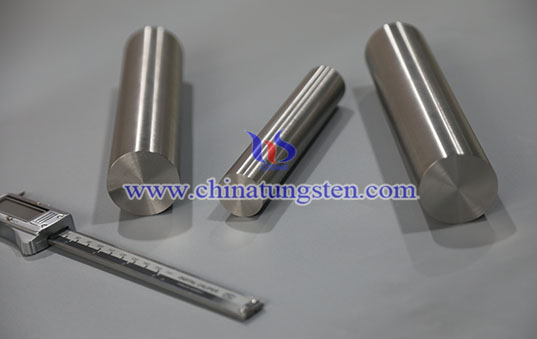
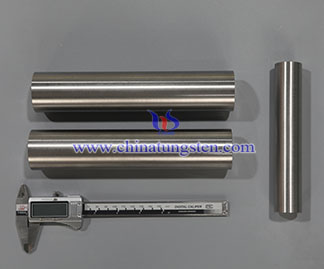
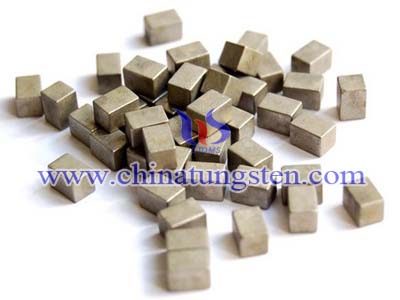
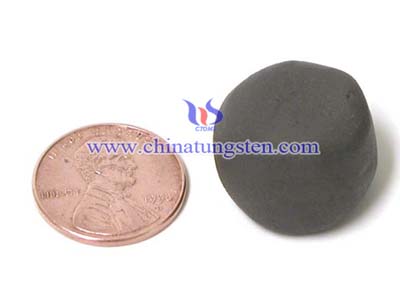
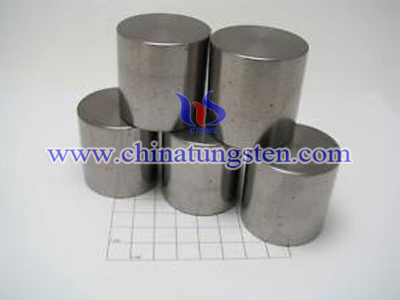
Tungsten alloy rod is high density tungsten alloy rod manufactured through powder metallurgy and used as a material for cutting tools in high-speed Computer Numerical Control (CNC) machines and precision machining centers. CTIA’s tungsten alloy rod features high density, high rigidity, and stable dynamic performance, reducing vibration and chatter during high-speed machining to improve machining accuracy, surface finish, and tool system stability. With excellent machinability and structural reliability, CTIA’s tungsten alloy rod supports the manufacturing of cutting tools and precision components used in aerospace, automotive, mold, and high-precision machining applications.
1. Characteristics of CTIA’s Tungsten Alloy Rod in Cutting Tools
(1) High Density and High Rigidity
A density range of 16.5–18.8 g/cm³ and high elastic modulus provide enhanced structural rigidity for cutting tool systems, reducing vibration during high-speed machining operations.
(2) Stable Vibration Control Performance
High mass concentration and stable dynamic characteristics help suppress cutting vibration and chatter, improving machining surface quality and process stability.
(3) High Strength and Fatigue Resistance
A tensile strength of 700–1400 MPa enables resistance to impact and cyclic loads generated during continuous high-speed cutting operations.
(4) Low Thermal Expansion and Dimensional Stability
A low coefficient of thermal expansion maintains dimensional consistency under machining heat and long-term operating conditions, supporting tool positioning accuracy and machining repeatability.
(5) Precision Machinability
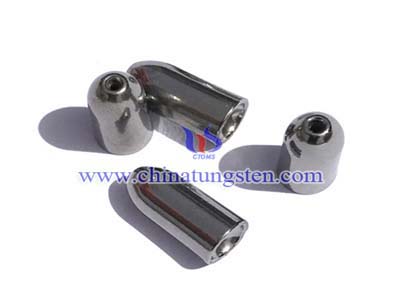
Turning, milling, and grinding processes allow fabrication of high-speed tool arbors, anti-vibration tool holders, boring bars, and customized structural components for different tool systems.
2. Applications of CTIA’s Tungsten Alloy Rod in Cutting Tools
(1) High-Speed Milling and Turning Tools
Machined into high-speed tool arbors, anti-vibration holders, and structural tool components to improve stability and accuracy during high rotational speed machining.
(2) Deep-Hole and Long-Overhang Machining Tools
Integrated into anti-vibration tool holders, deep-hole boring bars, and extended-reach tooling components to reduce machining vibration and chatter.
(3) Difficult-to-Machine Material Cutting Tools
Applied in tooling systems for titanium alloys, superalloys, and composite materials, maintaining stable performance during demanding high-speed cutting processes.
(4) Precision Machining Tools
Used in high-speed tooling components for aerospace parts, automotive components, and precision molds to achieve consistent machining accuracy and surface quality.
(5) Customized High-Speed Tool Systems
Processed into high-speed tool holders, vibration-damping tool components, and machine tool inertia elements to optimize dynamic performance and machining efficiency.
3. Specifications of CTIA’s Tungsten Alloy Rod in Cutting Tools
(1) Tungsten Content: 90%–97%
(2) Density: 16.5–18.8 g/cm³
(3) Dimensions: Diameter 3–80 mm, length 20–500 mm, customizable
(4) Surface Conditions: Ground, polished, etc.
CTIA GROUP has focused on tungsten alloy manufacturing for nearly 30 years, supplying tungsten alloy rods in customized grades, dimensions, and processing conditions. Grade options include 90WNiFe, 92.5WNiFe, 95WNiFe, 97WNiFe, 90WNiCu, 92.5WNiCu, 95WNiCu, 92.5WNiFeMo, and 93WNiFeMo. CTIA’s tungsten alloy rods deliver high density, high rigidity, stable dynamic performance, and excellent machinability, providing material solutions for high-speed cutting tools and precision tooling components requiring vibration control, machining accuracy, and long-term stability.
For any inquiry, please contact tungsten alloy manufacturer: CTIA GROUP
Email: sales@chinatungsten.com
Tel: 0086 592 5129696 / 0086 592 5129595
Website: tungsten-alloy.com
WeChat:

Related Products: