Tungsten Alloy Rod in TMD Damper
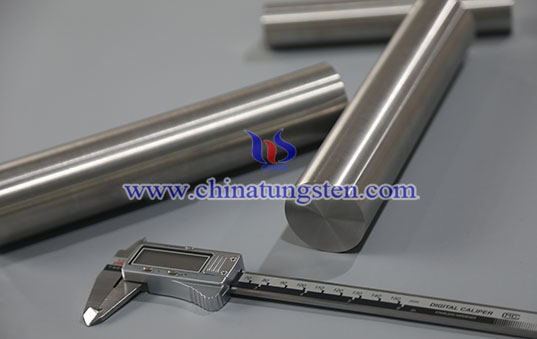
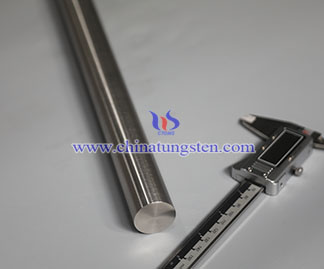
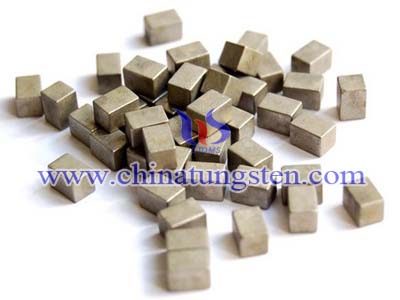
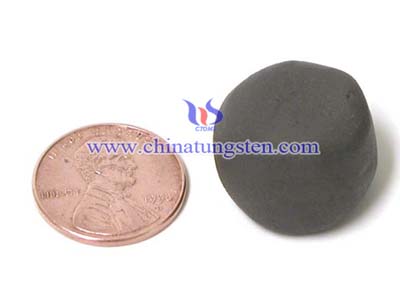
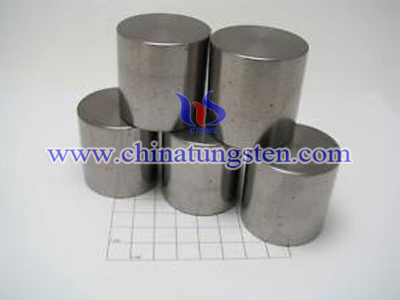
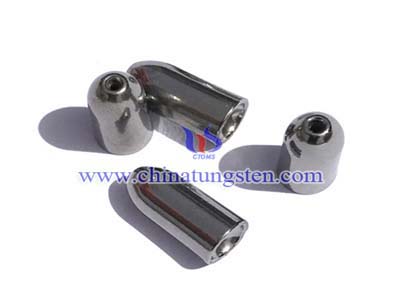
Tungsten alloy rod in TMD damper refers to high density tungsten alloy rod manufactured through powder metallurgy and used as the mass element in Tuned Mass Damper (TMD) devices for high-rise buildings, super high-rise buildings, and long-span structures. With high density, CTIA’s tungsten alloy rod provides large effective mass within limited installation space, effectively meeting the requirements of wind-induced vibration control, seismic response reduction, and structural vibration control in buildings. Featuring high strength, excellent fatigue resistance, and long-term dimensional stability, CTIA’s tungsten alloy rod can replace traditional concrete, steel, and lead materials, and is widely used in TMD systems for skyscrapers, television towers, bridges, and large public buildings.
1. Characteristics of CTIA’s Tungsten Alloy Rod in TMD Damper
(1) High Density
The density of 16.5–18.8 g/cm³ enables large effective mass within compact spaces, reducing the size of TMD mass blocks and improving structural design flexibility.
(2) High Strength and Fatigue Resistance
With tensile strength up to 700–1400 MPa, tungsten alloy rod withstands repeated vibration, impact, and cyclic loads during long-term operation.
(3) Low Thermal Expansion
The low coefficient of thermal expansion maintains dimensional accuracy under temperature fluctuations, helping preserve stable TMD tuning parameters.
(4) Precision Machinability
Good machinability allows the production of mass blocks with different sizes and geometries through turning, milling, and other precision machining processes.
(5) Lead-Free and Durable Material Characteristics
Lead-free, non-toxic composition and good corrosion resistance provide reliable performance for long-term service in building environments.
2. Applications of CTIA’s Tungsten Alloy Rod in TMD Damper
(1) Super High-Rise Building TMD Systems
Used as mass blocks at the top or critical floors of skyscrapers to suppress wind-induced vibration and improve building comfort and structural stability.
(2) Television Towers and Tall Structures
Used in vibration reduction systems for television towers, observation towers, and other tall structures to reduce structural responses caused by wind loads and seismic actions.
(3) Long-Span Bridges and Sports Venues
Used in TMD systems for bridge main girders, building roofs, and large-space structures to control wind-induced vibration and human-induced vibration.
(4) Large Public and Industrial Buildings
Used in Tuned Mass Damper devices for building structures such as airport terminals, exhibition centers, and large industrial workshops.
(5) Existing Building Renovation
Used for customized TMD mass blocks in seismic reinforcement and wind-induced vibration control upgrade projects for high-rise buildings.
3. Specifications of CTIA’s Tungsten Alloy Rod in TMD Damper
(1) Tungsten Content: 90%–97%
(2) Density: 16.5–18.8 g/cm³
(3) Dimensions: Customizable according to diameter, length, and machining requirements
(4) Surface Conditions: Ground, polished, etc.
CTIA GROUP has specialized in tungsten alloy manufacturing for nearly 30 years, offering tungsten alloy rods in various grades, dimensions, and processing conditions. CTIA produces 90WNiFe, 90WNiCu, 92.5WNiFe, 92.5WNiCu, 92.5WNiFeMo, 93WNiFeMo, 95WNiFe, 95WNiCu, and 97WNiFe tungsten alloy rods with customized precision machining services. Combining high density, stable mechanical properties, and precision machining capabilities, CTIA’s tungsten alloy rods meet the requirements for mass blocks in TMD devices used in high-rise buildings, bridges, and large engineering structures.
For any inquiry, please contact tungsten alloy manufacturer: CTIA GROUP
Email: sales@chinatungsten.com
Tel: 0086 592 5129696 / 0086 592 5129595
Website: tungsten-alloy.com
WeChat:

Related Products: