Tungsten Alloy Rod in Aerospace Counterweight
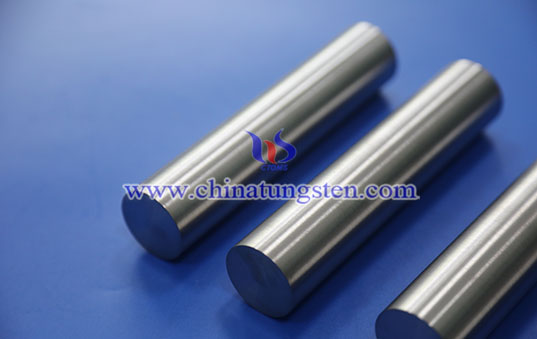
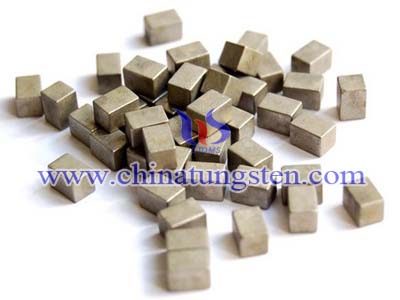
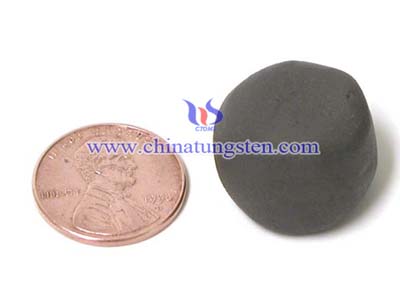
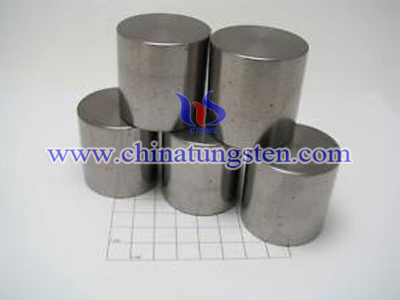
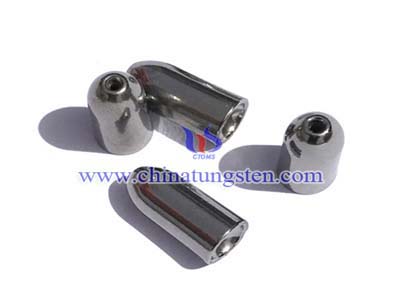
Tungsten alloy rod is high density tungsten alloy material used in aerospace counterweight applications for mass balancing and center-of-gravity adjustment in aircraft, satellites, and spacecraft. CTIA’s tungsten alloy rod mainly adopts the W-Ni-Fe alloy system, where the tungsten phase provides high density and the nickel-iron binder phase enhances strength, toughness, and machinability. Featuring high density, high specific gravity, high strength, dimensional stability, and good machinability, CTIA’s tungsten alloy rod can be precision machined into aerospace counterweight components, satellite balance weights, and inertial adjustment parts, meeting the requirements for compact design, weight optimization, and reliable operation of aerospace equipment.
1. Characteristics of CTIA’s Tungsten Alloy Rod in Aerospace Counterweight
(1) High Density for Compact Counterweight Design
A density of 16.5–18.8 g/cm³ enables high mass concentration within limited space. Compared with steel and copper materials, tungsten alloy rod achieves lower volume at the same weight, reducing installation space requirements.
(2) High Mass Accuracy for Center-of-Gravity Adjustment
Stable density and good dimensional stability support precise machining and weight control, meeting balancing requirements for aircraft, satellites, and spacecraft.
(3) High Strength and Impact Resistance for Complex Flight Conditions
W-Ni-Fe tungsten alloy provides high strength, hardness, and toughness, withstanding vibration, impact, and mechanical loads to ensure long-term stability of counterweight components.
(4) Good Machinability for Customized Counterweight Structures
Compared with pure tungsten materials, improved machinability enables turning, milling, grinding, and other precision processes for counterweight components with different dimensions and structures.
2. Applications of CTIA’s Tungsten Alloy Rod in Aerospace Counterweight
(1) Aircraft Counterweight Components
Used in aircraft control surface balancing weights, flight control system counterweights, and structural adjustment components to reduce counterweight volume through high density.
(2) Satellite and Spacecraft Counterweights
Used for mass balancing, center-of-gravity adjustment, and auxiliary attitude control counterweights to improve equipment operating stability.
(3) Inertial Control and Navigation System Components
Used in gyroscopes, inertial navigation systems, and other precision equipment for high-accuracy mass adjustment and balance control.
(4) Aerospace Engine and Precision Equipment Counterweights
Used in aerospace testing equipment, optical instruments, and other high-end equipment for mass compensation structures.
(5) UAV and Aviation Equipment Counterweights
Used for fuselage balancing, payload optimization, and structural adjustment to improve flight stability.
3. Specifications of CTIA’s Tungsten Alloy Rod in Aerospace Counterweight
(1) Grades: 90WNiFe, 90WNiCu, 92.5WNiFe, 92.5WNiCu, 92.5WNiFeMo, 93WNiFeMo, 95WNiFe, 95WNiCu, 97WNiFe, and others
(2) Tungsten Content: 90%–97%
(3) Density: 16.5–18.8 g/cm³
(4) Dimensions: Diameter 3–100 mm, length 100–1000 mm, customizable
(5) Surface Conditions: Ground, polished, and other conditions available
CTIA GROUP has specialized in tungsten alloy manufacturing for nearly 30 years, producing tungsten alloy rods through mature powder metallurgy processes. CTIA supplies tungsten alloy rods in various grades, dimensions, and surface conditions, with stable material properties and precision machining capabilities to meet the requirements of aircraft, satellites, spacecraft, and aerospace precision equipment counterweight components.
For any inquiry, please contact tungsten alloy manufacturer: CTIA GROUP
Email: sales@chinatungsten.com
Tel: 0086 592 5129696 / 0086 592 5129595
Website: tungsten-alloy.com
WeChat:

Related Products: